
How to Rodent-Proof Your Bend Home Before Winter: The Complete Checklist
Every September, the same quiet migration happens across Bend. As the high desert nights drop toward freezing, mice and rats begin searching for a warm place to spend the winter — and to a rodent, your home looks like a five-star resort. Warm, dark, full of nesting material, and usually offering a few unsecured snacks. By the time you actually see one, you often haven’t had a pest problem for weeks; you’ve had an infestation.
The good news? Rodent-proofing your home before the first frost is one of the highest-return maintenance tasks a Central Oregon homeowner can do. A couple of weekends of work now can save you months of scratching sounds in the walls, chewed wiring, contaminated pantries, and a professional extermination bill later. Here’s the complete checklist we use on professional inspections — adapted for Bend’s specific climate and construction styles.
Why Fall Is Rodent Season in Bend
Bend’s climate creates a perfect storm for autumn rodent pressure. Our summers are dry and hot, which limits outdoor food and water sources. Then September arrives: overnight temperatures in the Deschutes River valley start dipping into the 30s, and the first hard frost is usually only weeks away. Deer mice and house mice that spent the summer thriving in fields, sagebrush, and riverbanks suddenly find their food supply collapsing — and they follow the warmth.
Homes on the edges of town — in areas like Northwest Crossing, Summit West, or the outskirts toward Tumalo — see the heaviest pressure because they border natural habitat. But downtown and midtown Bend homes are not immune. House mice are perfectly happy living their entire lives indoors, and all they need is a gap the size of a dime to get in. Rats can squeeze through a hole the size of a quarter.
Timing matters for another reason: rodents reproduce fast. A single pair of house mice can produce a litter of six every three weeks. If two mice sneak into your wall void in October, you can easily be dealing with dozens by February. Stopping them in September, before they establish a nest, is exponentially easier than evicting an established colony in mid-winter.
Know Your Opponent: The Rodents of Central Oregon
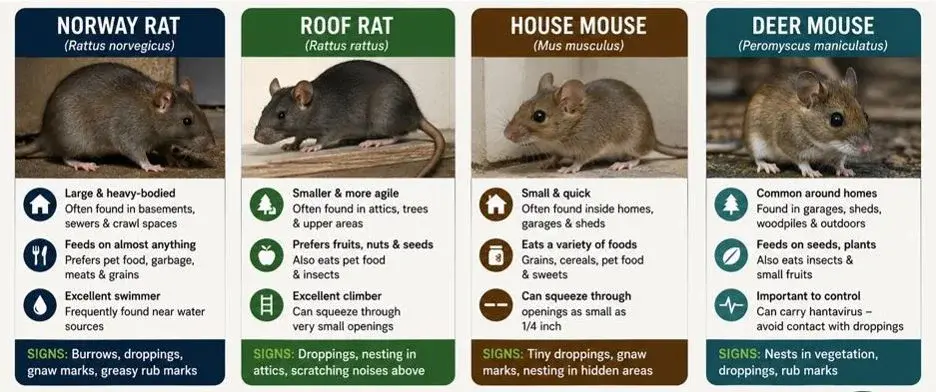
Effective prevention starts with knowing what you’re keeping out. In Bend, three species cause the vast majority of home invasions:
- House mice — Small, grayish-brown, and curious. They nest within 30 feet of food, love wall voids, attic insulation, and the backs of kitchen appliances. This is the most common indoor invader in Bend neighborhoods.
- Deer mice — Native to Central Oregon and common in rural and semi-rural properties. They’re the primary carriers of hantavirus, a serious respiratory disease spread through their droppings and urine. Never handle deer mouse contamination without proper precautions.
- Norway and roof rats — Less common than mice in Bend, but increasingly reported as the town grows. Norway rats burrow under foundations and woodpiles; roof rats climb and nest in attics and trees.
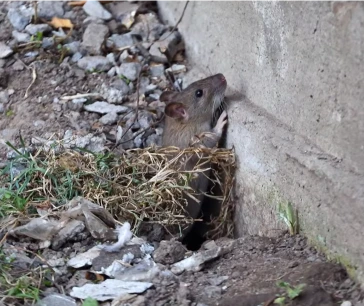
Why does the species matter for prevention? Because behavior differs. Mice are excellent climbers and can enter anywhere on the structure, while Norway rats focus on ground-level gaps and burrows. A thorough proofing job addresses the entire building envelope — from the roofline to the foundation — rather than just the obvious holes.
Step 1: Run the Entry Point Audit
This is the heart of rodent-proofing, and it deserves a full afternoon. Walk your property slowly with a flashlight — ideally with a helper inside opening doors while you watch the gaps. You’re hunting for any opening larger than a quarter inch. Pay special attention to these classic Bend entry points:
- The garage door seal. This is the #1 entry point we find on Bend homes. Rubber weatherstripping hardens, cracks, or gets chewed through, leaving a nightly invitation at ground level. If you can see daylight under your closed garage door, a mouse can walk in.
- Where utilities enter the house. Check every pipe, cable, gas line, and HVAC refrigerant line that penetrates your siding. Builders often leave half-inch gaps around these. Look especially behind the water heater, at the AC condenser lines, and at the dryer vent.
- Vents. Dryer vents, bathroom exhaust vents, attic vents, and crawl space vents should all have intact screens. Plastic or fiberglass mesh won’t stop rodents — they chew right through it. You want galvanized steel hardware cloth, 1/4-inch mesh or finer.
- The roofline. On two-story homes, check where the roof meets the walls, the gaps under cedar shake or tile edges, and the chimney cap. Roof rats and mice both access homes from tree branches touching the roofline.
- Foundation and siding junctions. Older Bend homes with wood siding often develop gaps where the siding meets the concrete stem wall. Rats and mice exploit these low, hidden openings constantly.
- Door sweeps. Exterior doors — including the door from the garage into the house — should close tight with no visible light at the bottom edge.
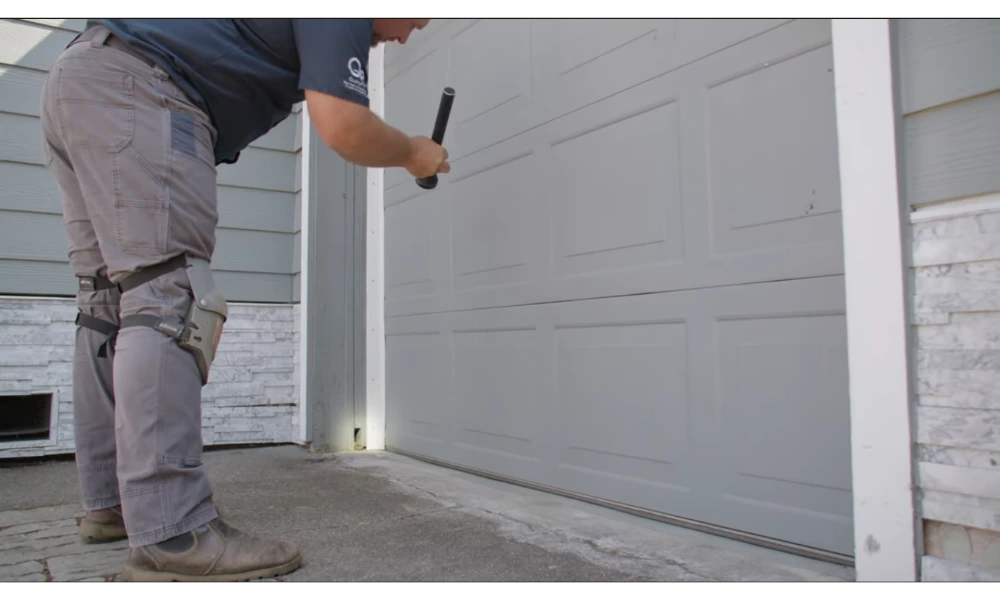
Pro tip: do the audit at dusk. Rodents are nocturnal, and the low-angle light makes gaps glow from the inside. Have someone stand in each room with the lights off while you circle the exterior — every light leak you see is a potential doorway.
Step 2: Seal Smart — Materials That Actually Work
Here’s where most DIY attempts fail: people plug gaps with the wrong materials. Mice can chew through wood, plastic, drywall, vinyl, and standard spray foam without breaking a sweat. If you seal a hole with expanding foam alone, you’ve essentially built them a chew toy. Use materials they can’t defeat:
- Steel wool packed tightly into small gaps, then sealed over with caulk. It’s uncomfortable to chew and rusts into a rough barrier.
- Galvanized steel hardware cloth (1/4-inch mesh) screwed over larger openings like vents. Avoid copper mesh alone for high-traffic areas — it works, but steel lasts longer against persistent gnawing.
- Metal flashing or sheet metal for gaps along siding edges and pipe penetrations.
- Concrete or mortar for cracks in foundations and stem walls.
- Cement board or metal kick plates at the bottom of garage and shed doors.
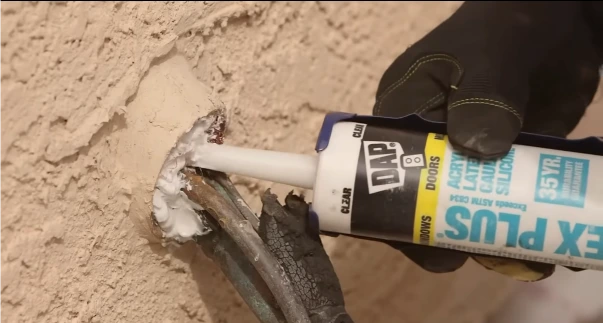
The right technique is layered: pack the void with steel wool or mesh, then close the surface with caulk, foam, or patching compound so there’s no draft. Rodents are heavily guided by air currents — a hole that smells like warm air leaking from your house is a beacon, even if it looks small to you.
Step 3: Starve Them Out — Remove Food and Water
Exclusion stops new entries, but food control makes your home fundamentally less attractive. A house mouse needs only 3–4 grams of food per day — a few crumbs are literally a meal. Walk through your kitchen with rodent eyes:
- Store dry goods in glass or metal. Cardboard boxes and paper bags are not food storage — they’re food packaging with a built-in entry flap. Cereal, pet food, birdseed, and flour all belong in sealed containers.
- Don’t leave pet food out overnight. A full dog bowl at midnight is the single most common attractant we find on inspections. Feed pets on a schedule and pick bowls up afterward.
- Take trash out nightly in fall, and use cans with tight-fitting lids — in the house and in the garage.
- Fix the drips. A leaking faucet, a sweating pipe under the sink, or a pet water bowl gives rodents everything they need. Mice get most of their water from food, but rats need free water daily.
- Clean under and behind appliances. The gap behind your stove collects grease and crumbs for years. Pull it out and vacuum before rodent season peaks.
Step 4: Cut Back the Habitat Around Your Home
The area three feet around your foundation is the front door to your house, as far as a rodent is concerned. Central Oregon landscapes can accidentally create rodent highways:
- Trim vegetation away from the siding. Ornamental grasses, junipers, and ivy touching the house give mice concealed travel routes. Aim for at least a 12-inch clearance, and lift tree branches so they don’t touch or overhang the roof.
- Move firewood off the ground and away from the house. Stacked firewood is prime rodent real estate — dark gaps between logs, sheltered from weather. Store it at least 20 feet from the structure and elevate it on a rack.
- Clear clutter in the garage and crawl space. Rodents nest in undisturbed material. Stored boxes directly on the floor, old furniture, and piles of rags are all winter condos waiting for tenants. Use sealed plastic bins instead of cardboard.
- Manage bird feeders. Birdseed spilled on the ground feeds rodents all night long. Use catch trays, bring feeders in at night during peak season, and store seed in metal cans — not in the garage in a paper bag.

Step 5: Learn the Early Warning Signs
Even a well-sealed home deserves a monthly sniff test and visual check through fall and winter. Catching one mouse early is a maintenance issue; catching it in March is an extermination project. Watch for:
- Droppings — Rice-grain-sized pellets along walls, in the pantry, under the sink, or in the garage. Fresh ones are dark and moist.
- Gnaw marks — On baseboards, food packaging, or the garage door seal. Rodent teeth grow continuously, so they chew constantly.
- Grease smudge marks — Dark rub marks along baseboards where rodents travel the same route repeatedly, leaving body oils behind.
- Sounds at night — Light scratching or scurrying in walls or ceilings, most often shortly after you turn the lights off.
- A musky odor — An established mouse presence has a distinct ammonia-like smell, strongest in enclosed spaces like pantries and cabinets.
If you find droppings, don’t sweep or vacuum them dry — especially if you suspect deer mice, due to hantavirus risk. Ventilate the area, wear gloves and an N95 mask, and wet the droppings with a disinfectant or bleach solution before wiping them up.
When to Call a Professional
DIY proofing covers a lot of ground, but some situations call for expert help right away: droppings in multiple rooms, noises that persist after you’ve sealed obvious gaps, a smell that suggests a rodent died in a wall void, or any sign of activity in the attic or crawl space you can’t fully inspect yourself. Professionals bring trained eyes for entry points homeowners routinely miss — we find gaps behind dishwasher lines, inside chimney chases, and under deck footings that never show up on a DIY walk-around.
A proper professional service doesn’t just trap and remove — it combines exclusion, sanitation guidance, and monitoring so the problem stays solved. That’s especially important in Bend, where every new subdivision pushes construction into the sagebrush habitat deer mice have occupied for millennia. The rodents aren’t invading your neighborhood; your neighborhood was built on theirs. Proofing is simply drawing a clear line between the two.

The Bottom Line
Rodent-proofing before winter isn’t glamorous, but it’s a weekend of effort that protects your home’s wiring, insulation, air quality, and peace of mind for the entire season. Seal the gaps, lock down the food, trim back the habitat, and keep an eye out for early signs. Do it now, while the mice are still deciding where to spend the winter — and make sure the answer is “somewhere other than your house.”
If you’d rather have an expert handle the inspection and exclusion work, Rodent Guard Bend offers full rodent-proofing inspections across Bend and Central Oregon. One visit in September beats five in February.